
About Us
Revitalization for Future Generations
About the Tahoe-Truckee Sanitation Agency Clean Water Revitalization Project
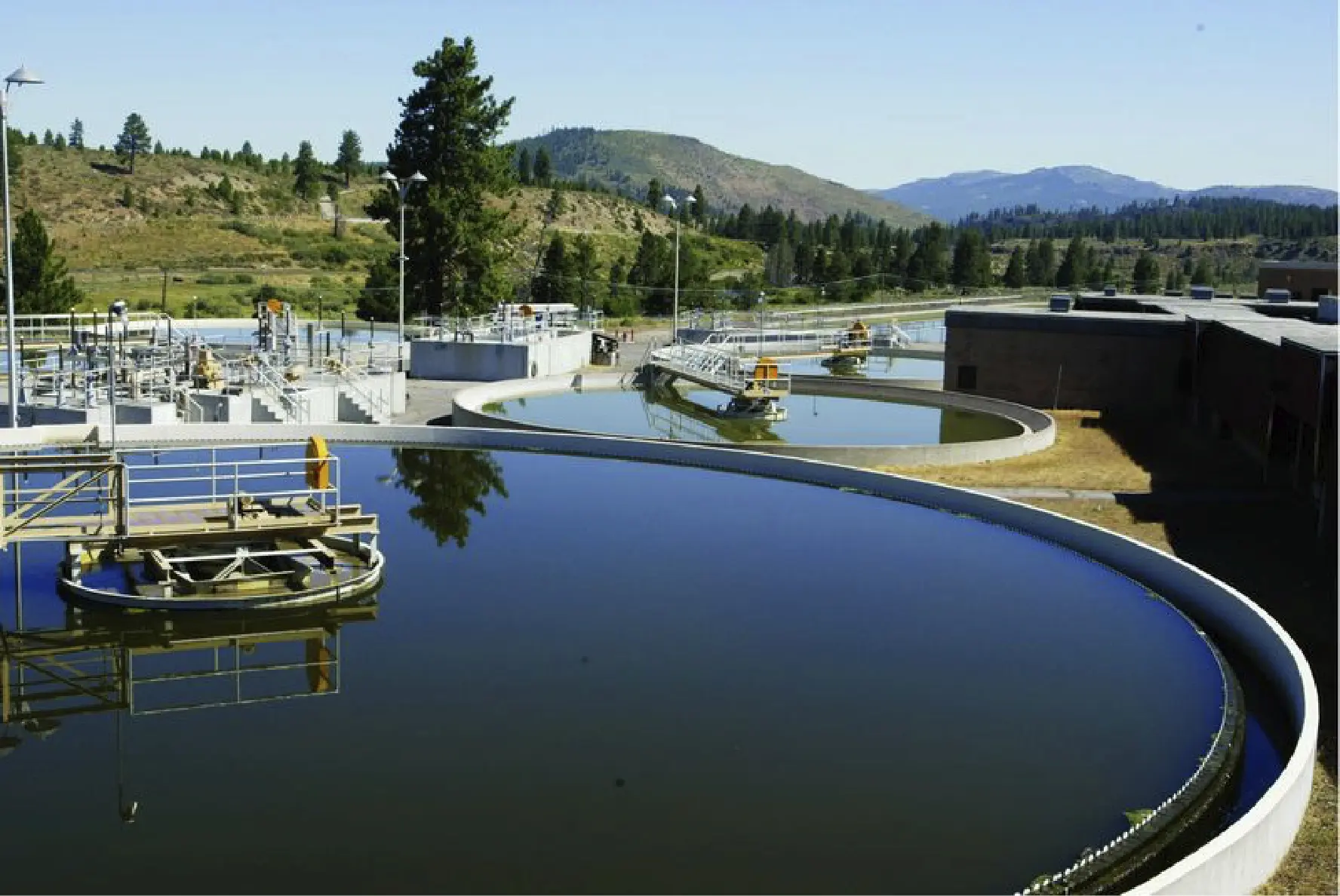
The Tahoe-Truckee Sanitation Agency Clean Water Revitalization Project is a years-long initiative to modernize the existing wastewater treatment infrastructure that has been in place for over 50 years. This essential upgrade will enhance the safety, reliability, and performance of T-TSA's wastewater treatment facility, reduce nutrient discharge, and ensure continued compliance with some of the most stringent wastewater regulations in the nation.
Modern treatment methods better protect public health, the Truckee River, and the surrounding watershed, while also improving system stability and ease of operation.
A Responsible Investment in the Future
Continuing to operate the existing system would require approximately $158 million in upgrades, along with substantially higher annual operating costs—while still relying on aging infrastructure. Planning for and constructing a new wastewater treatment system represents a more cost-effective, resilient, and sustainable solution over time, ensuring reliable service while responsibly managing public resources.
Through the Clean Water Revitalization Project, T-TSA is investing in infrastructure that protects water quality, safeguards the community, and preserves the Truckee River for future generations.
History
T-TSA's existing wastewater treatment facility was built 50 years ago in the 1970's and was state of the art at the time it was commissioned and has historically met all treatment requirements. When the Porter Cologne Water Quality Control Act mandated that all sewage be exported from the Lake Tahoe Basin, T-TSA was formed May 1, 1972 to comply with this Act and for the purpose of planning, administering and coordinating wastewater treatment and disposal services throughout the north and west shores of Lake Tahoe, the Truckee River corridor (including the communities of Alpine Meadows and Olympic Valley), and Truckee to protect public health and the environment.
Now decades later, wastewater treatment technology has advanced, becoming more efficient and less chemically dependent resulting in better protecting the environment in addition to not requiring continued rehabilitation of an ageing system.